Lion Coin Rubbing (Emblem)
Place a coin under a sheet of paper and gently rub a crayon over it until the lions appear.
10 mins · Ages 3–6
An interactive field guide, passport and playtime adventure for little explorers.
Begin the TrailLong before a child can read a map, they can spot a peacock's feather, point to a tiger in a picture book, or notice the tricolour fluttering outside a building and ask, "What is that?" That curiosity is the beginning of belonging. At Rainbow Preschool International, we believe a child's love for their country doesn't start with a history lesson — it starts with noticing the world around them, one small discovery at a time.
India has 17 widely recognised national symbols — from the Tiranga flag to the gentle Ganges river dolphin — each one a small window into the country's culture, wildlife and identity. This guide turns all 17 into a playful trail: sort them into three explorer zones, meet each one through a simple field-guide card, solve a few riddles, play a matching game, and even fill your own printable Symbol Passport along the way.
Ready for more age-appropriate discovery? Explore our Kindergarten programme, About Rainbow Preschool and Our Nursery curriculum.
National Anthem — Jana Gana Mana
National Calendar — Saka Calendar
National Animal — Royal Bengal Tiger
National Bird — Indian Peacock
National Aquatic Animal — Ganges River Dolphin
“A child who can name the peacock, the banyan tree and the tricolour flag is already falling in love with India — one small discovery at a time.” — Rainbow Preschool International
These are the symbols India chose for itself — a flag, a song, a promise, a sign on every coin. They tell the story of who we are as one country made of many people.
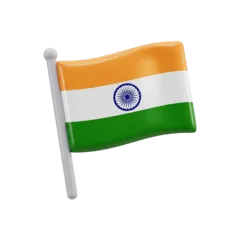
Explorer Fact: The flag has three colours and a wheel with 24 spokes called the Ashoka Chakra — adopted on 22 July 1947.
Saffron stands for courage, white stands for peace and truth, and green stands for growth and land. The blue wheel in the middle is called the Ashoka Chakra — it has 24 spokes, like the hours in a day, and reminds us that India keeps moving forward.
Try This: Want to make your own Tiranga? We've put a full step-by-step flag craft in our Independence Day guide — hop over after you finish the trail!
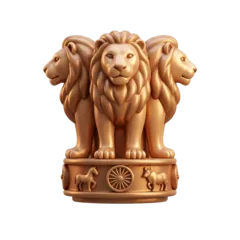
Explorer Fact: The emblem shows four lions standing back-to-back, though only three are ever visible at once. It was adopted on 26 January 1950 and comes from a stone pillar built by Emperor Ashoka over 2,000 years ago.
Our national emblem has four lions standing back-to-back, though we can only see three at a time. Underneath is written "Satyameva Jayate," which means "Truth Alone Triumphs." It comes from a very old stone pillar built by an emperor named Ashoka.
Try This: Try a coin rubbing — place a coin under paper and gently rub a crayon over it to reveal the lions.

Explorer Fact: Jana Gana Mana was written by the poet Rabindranath Tagore and takes about 52 seconds to sing from start to end.
Our national anthem was written by a poet named Rabindranath Tagore. It takes almost exactly 52 seconds to sing — try timing it next time!
Try This: Practise standing tall and still for 52 seconds — see if you can do it without wiggling! Republic Day activities for kids.

Explorer Fact: Vande Mataram means "I bow to thee, Mother" and comes from a novel called Anandamath, written by Bankim Chandra Chattopadhyay in 1882.
Vande Mataram was written inside a story-book almost 150 years ago! In 1950, it was declared just as special as our national anthem.
Try This: Ask a grandparent if they remember singing this at school — a lovely way to start a conversation.
Explorer Fact: The pledge begins, "India is my country and all Indians are my brothers and sisters." It was written by Pydimarri Venkata Subba Rao and has been recited in schools since 1965.
The pledge is a promise about loving our country and being kind to every Indian, like one big family. Children have been saying it every morning since 1965!
Try This: Make up your own two-line "kindness pledge" together — what would your child promise to do for their friends?
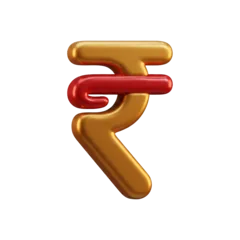
Explorer Fact: The ₹ symbol was designed by D. Udaya Kumar and was officially chosen in 2010. It blends the Devanagari letter "र" with a horizontal line.
This symbol was designed by a real design student and chosen especially for India in 2010, so our money would have its own special sign — just like the $ for dollars.
Try This: Go on a "symbol hunt" through your coin jar or wallet together and spot the ₹ sign.

Explorer Fact: Alongside the regular calendar on our walls, the Indian government also uses a special calendar called the Saka calendar, adopted in 1957, for official work.
Most of us use the regular calendar with January, February and so on. But India's government also keeps a second calendar, called the Saka calendar, that started a very long time ago and is still used today.
India shares its land with some extraordinary animals. These five were chosen to represent the country's wild beauty — spot them at the zoo, in a book, or even on your next holiday.
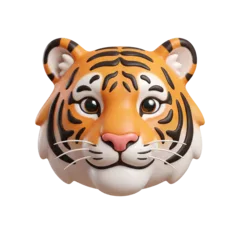
Explorer Fact: India is home to roughly 3 out of every 4 wild tigers left on Earth (about 70–75% of the world's population). The tiger became our national animal in 1972.
More wild tigers live in India than in any other country in the world. That's why keeping their forests safe is so important for the whole planet.
Try This: Paint orange and black stripes on a paper plate to make your own tiger mask.
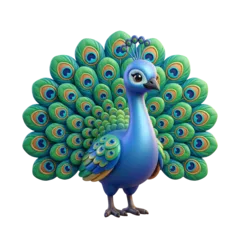
Explorer Fact: Only the male peacock has the giant, colourful tail — he fans it out and dances to impress a peahen! It was declared our national bird in 1963.
Did you know only boy peacocks have the giant colourful tail? He spreads it open like a fan and dances, especially when rain is on the way.
Try This: Trace your hand and turn the fingers into peacock feathers with paint.

Explorer Fact: This gentle dolphin is almost blind — it finds its way and its food using sound, like a whisper-quiet radar. It was declared our national aquatic animal in 2010.
This dolphin can barely see with its eyes, but it "sees" with sound instead — it sends out clicks and listens for them to bounce back, a bit like how bats find their way in the dark.
Try This: Play an echolocation game — close your eyes and try to find a clapping friend by sound alone!
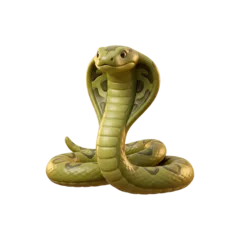
Explorer Fact: The King Cobra is the longest venomous snake in the world — and despite its fearsome reputation, it usually avoids people and only defends itself if threatened. It's popularly known as India's national reptile, though — unlike the flag or the tiger — this isn't an official government title.
The King Cobra is famous for being the longest venomous snake on Earth. Like most wild animals, it would rather hide from us than meet us — we admire it from books and glass enclosures at the zoo, not up close.
Try This: Draw a long, winding snake path on paper and see how far you can make it stretch!
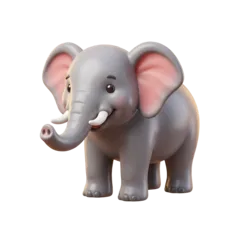
Explorer Fact: Elephants have excellent memories and live in caring family herds led by the oldest female. The elephant was declared our National Heritage Animal in 2010.
Elephant herds are led by the oldest, wisest female, called the matriarch, and the whole family helps look after the babies together — a bit like a big, caring family.
Try This: Make an elephant handprint — palm as the head, fingers spread out as the trunk and ears!
From a flower that blooms in mud to a mighty tree with a thousand roots, these symbols come from India's gardens, orchards and riverbanks.
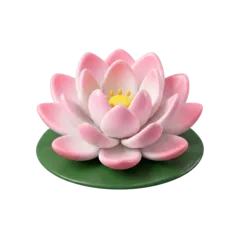
Explorer Fact: Even though almost everyone believes the lotus is India's official national flower, the government has confirmed in Parliament that no such official notification has ever been issued. It's the country's much-loved, traditionally recognised flower — just not a formal title.
The lotus grows up through muddy water and still opens into a perfectly clean, beautiful flower — which is why people say it reminds us that we can rise above anything messy or difficult.
Try This: Make a lotus stamp print using a cut potato dipped in pink and white paint.
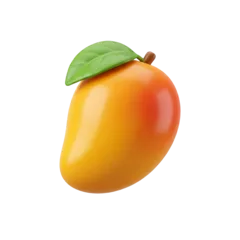
Explorer Fact: India grows more mangoes than any other country — over 1,000 different varieties. It's traditionally called the "king of fruits," though, like the lotus, it has no official government title.
India grows over a thousand kinds of mangoes — imagine tasting a different one every day for years! That's why it's lovingly called the "king of fruits."
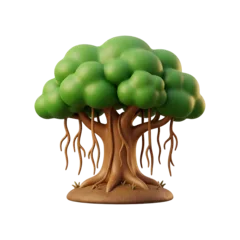
Explorer Fact: A banyan tree grows new roots down from its own branches, and those roots grow into new trunks — so one banyan tree can eventually look like an entire forest. It's traditionally, though not officially, recognised as India's national tree.
A banyan tree keeps growing new roots from its branches down to the ground, and those roots turn into new trunks — one single tree can spread out and look like a whole grove!
Try This: Take a leaf rubbing — place a leaf under paper and rub gently with a crayon to reveal its veins.
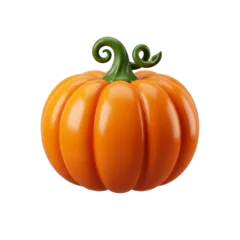
Explorer Fact: Pumpkin has no official government title either, but it's a much-loved, popularly recognised symbol thanks to how common, colourful and useful it is in Indian kitchens.
Pumpkins are full of seeds — hundreds of them inside just one pumpkin! One single plant can grow enough to help feed a whole family.
Try This: Scoop, count and wash pumpkin seeds together — a wonderfully messy sensory activity.

Explorer Fact: The Ganga was officially declared India's National River in November 2008. Millions of people depend on it every day for water, farming and daily life.
The Ganga begins high up in the snowy Himalayas and travels a very long way before reaching the sea, giving water to millions of people, plants and animals along the way. That's why we try to keep it clean.
Try This: Talk about one simple way your family can save water at home this week.
You may see lists of 17, 20 or more national symbols. This guide covers 17 widely recognised symbols. Longer lists often add India's national motto, 'Satyameva Jayate' ('Truth Alone Triumphs'), which appears below the national emblem, and sometimes a national game. Many lists name hockey as India's national game, but the Government of India has not officially declared a national game.
Most people think the lotus is India's official national flower — even some grown-ups! But the government has clarified that it was never formally notified. The same is true for the mango, the banyan tree, the pumpkin and the king cobra — they're all much-loved, traditionally recognised symbols, but not official government titles like the flag, the anthem or the tiger. We think that makes them even more fun to learn about — loving a symbol doesn't need an official stamp!
Read the riddle aloud, let your little explorer guess, then tap to reveal the answer.
Tap an illustration and then match it with the correct national symbol name. Complete all the pairs to test how well you know India's national symbols.
For little explorers, visit our Playgroup programme.
Note: the flag craft isn't repeated here — it already has a full step-by-step guide on our Independence Day blog; this trail links to it instead.
Place a coin under a sheet of paper and gently rub a crayon over it until the lions appear.
Cut a sponge into the ₹ shape, dip in paint, and stamp it onto a handmade greeting card.
Paint orange and black stripes on a paper plate, cut eye-holes, and attach elastic string.
Paint a handprint in blues and greens, then add a peacock body and googly eye.
Grey paint on the palm (head) with spread fingers (trunk and ears).
Carve a potato half into a petal shape, dip in pink and white paint, and print a blooming lotus.
Place a real leaf under paper and rub gently with a crayon to reveal its veins.
Scoop, count and wash real pumpkin seeds in a bowl with small cups and spoons.
Turn this whole trail into a keepsake! Download our free Symbol Passport — a foldable, printable booklet with a stamp box for all 17 symbols. After your child learns about a symbol, let them colour in its stamp box. By the end, they'll have a passport full of proud little stamps — and a wonderful record of everything they've discovered about India.
Print on A4, fold along the marked lines, and staple once down the spine to make a mini booklet.
Download the Free Symbol Passport (PDF)This trail is just one part of how we bring India to life at Rainbow Preschool International. If you're getting ready for a festival, here's where to go next:
Preparing for 15 August? Visit our full Independence Day 2026 guide for speeches, rhymes, craft ideas and more.
Preparing for 26 January? Visit our Republic Day 2026 guide for the parade, simple speeches and family activities.
This Symbol Trail, though, is designed to be read any day of the year — it's less about one date, and more about getting to know India, one symbol at a time.
Give your little explorer the most joyful start to their learning journey. Experienced, caring early-years faculty, smart classrooms, CCTV-enabled safety, and a warm atmosphere where curiosity is always welcome.
Looking ahead to primary and secondary education? Our sister institution, Rainbow International School, offers a seamless CBSE-affiliated K–12 pathway from Nursery to Class 12 in Thane West.
Every symbol your child learns is a small step toward loving the country they call home. Come see how we bring India — and the whole world — to life in our classrooms.